PIAD Chill Cast Process
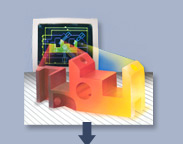
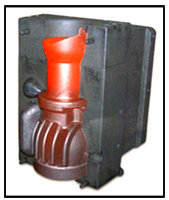 The PIAD chill cast process was designed for casting pure copper and copper base alloys and has been expanded to include aluminum alloys.
There are several parameters which differentiate the PIAD chill cast process from the conventional permanent mold process.
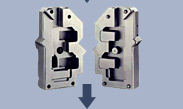
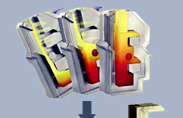
- The mold material used has a significantly higher heat conductivity than grey iron or steel. This results in the metal solidifying more rapidly thus providing improved mechanical properties due to a very dense and fine grain structure.
- The mold sections are cooled after each casting cycle by quenching them in a special solution. This enhances the solidification speed and prevents build up of coating material thereby improving repeatability.
- The chill cast process offers relatively low tooling costs versus other casting processes.
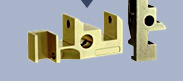
The PIAD chill casting process is highly specialized to produce near net shape castings and provides cost effective design solutions for many industrial applications.
For more information about PIAD's Chill Cast Process call 1-800-441-9858
Home


© 2010 - PIAD Precision Casting Corp.
112 Industrial Park Road
Greensburg, PA 15601
Phone: (724)-838-5500
Fax: (724)-838-5520
Toll Free: 1-800-441-9858